Quality Planning
AQL Inspection Plans for RC Toy Shipments
An AQL plan combines lot definition, sampling method and defect classification. It does not guarantee that every unit is defect free.
Direct answer: Agree the sampling standard, lot structure, defect list and decision rule before cartons are sealed. This guide is written for importers, distributors, retailers and private-label teams that need to make a defensible buying decision before they approve an RC toy sample or release an order.
Good RC toy sourcing is a connected process. Product application, customer requirements, factory testing, packaging preparation and shipment inspection all need to point to the same approved configuration. The practical objective is not to add paperwork; it is to make decisions clear enough that the factory, buyer and logistics partners can act without guessing.
Use these articles alongside our RC toy product range, Shenzhen factory overview and quality-control process to turn a buying question into a project brief.
For the connected buying decisions, see Pre-Shipment Inspection for RC Toys: A Buyer’s Practical Guide, RC Toy Quality Inspection and Defect Checks: Buyer Guide, RC Toy Cosmetic and Assembly Quality: Inspection Guide.
1. Define the inspection lot
State SKU, production period, quantity and whether colors or configurations form separate lots.
Combining unlike models can hide a defect concentrated in one variant.
During factory testing and shipment preparation, use define the inspection lot as a named handoff. Record the agreed condition, identify the person who checks it, and keep the result with the project file. This does not need to become a complicated report: a controlled product specification, dated sample photos, a packing reference and a short inspection record are often enough to make customer requirements traceable. The important point is that a later sample change, production question or buyer request can be checked against a visible reference rather than memory.
Customer impact matters here because an RC toy is experienced as a complete set. The end user does not separate the product from its controls, accessories, instructions and packaging. Consider how define the inspection lot will appear in a retailer’s receiving process, an e-commerce return, a gift unboxing or a first-use support question. This perspective helps a procurement team prioritize the details that influence product confidence after delivery, not only the details that are easiest to measure at the factory.
Buyer check
Before moving forward, ask the supplier to show how this point is captured in the product brief, approved sample record, production preparation or shipment inspection plan. A clear answer should name the reference, the responsible person and the timing of the check. If the answer cannot be tied to an approved configuration, treat it as an open decision rather than an agreed production instruction.
2. Select the plan deliberately
Choose an accepted sampling standard and inspection level with the buyer’s quality professional.
The sample size follows the lot and plan; a factory’s preferred fixed number may not match the agreed method.
During factory testing and shipment preparation, use select the plan deliberately as a named handoff. Record the agreed condition, identify the person who checks it, and keep the result with the project file. This does not need to become a complicated report: a controlled product specification, dated sample photos, a packing reference and a short inspection record are often enough to make customer requirements traceable. The important point is that a later sample change, production question or buyer request can be checked against a visible reference rather than memory.
Customer impact matters here because an RC toy is experienced as a complete set. The end user does not separate the product from its controls, accessories, instructions and packaging. Consider how select the plan deliberately will appear in a retailer’s receiving process, an e-commerce return, a gift unboxing or a first-use support question. This perspective helps a procurement team prioritize the details that influence product confidence after delivery, not only the details that are easiest to measure at the factory.
Buyer check
Before moving forward, ask the supplier to show how this point is captured in the product brief, approved sample record, production preparation or shipment inspection plan. A clear answer should name the reference, the responsible person and the timing of the check. If the answer cannot be tied to an approved configuration, treat it as an open decision rather than an agreed production instruction.
Share your target market, product category and expected quantity for a focused recommendation.
3. Classify defects in advance
Define critical, major and minor examples tied to safety, function, cosmetics and packing.
A wheel that will not steer is different from a small acceptable surface mark; classification should not be argued after findings appear.
During factory testing and shipment preparation, use classify defects in advance as a named handoff. Record the agreed condition, identify the person who checks it, and keep the result with the project file. This does not need to become a complicated report: a controlled product specification, dated sample photos, a packing reference and a short inspection record are often enough to make customer requirements traceable. The important point is that a later sample change, production question or buyer request can be checked against a visible reference rather than memory.
Customer impact matters here because an RC toy is experienced as a complete set. The end user does not separate the product from its controls, accessories, instructions and packaging. Consider how classify defects in advance will appear in a retailer’s receiving process, an e-commerce return, a gift unboxing or a first-use support question. This perspective helps a procurement team prioritize the details that influence product confidence after delivery, not only the details that are easiest to measure at the factory.
Buyer check
Before moving forward, ask the supplier to show how this point is captured in the product brief, approved sample record, production preparation or shipment inspection plan. A clear answer should name the reference, the responsible person and the timing of the check. If the answer cannot be tied to an approved configuration, treat it as an open decision rather than an agreed production instruction.

4. Include functional checks
Specify startup, pairing, forward/reverse, steering and included accessories for sampled units.
Visual inspection alone will not find radio or drive issues in a finished RC toy.
During factory testing and shipment preparation, use include functional checks as a named handoff. Record the agreed condition, identify the person who checks it, and keep the result with the project file. This does not need to become a complicated report: a controlled product specification, dated sample photos, a packing reference and a short inspection record are often enough to make customer requirements traceable. The important point is that a later sample change, production question or buyer request can be checked against a visible reference rather than memory.
Customer impact matters here because an RC toy is experienced as a complete set. The end user does not separate the product from its controls, accessories, instructions and packaging. Consider how include functional checks will appear in a retailer’s receiving process, an e-commerce return, a gift unboxing or a first-use support question. This perspective helps a procurement team prioritize the details that influence product confidence after delivery, not only the details that are easiest to measure at the factory.
Buyer check
Before moving forward, ask the supplier to show how this point is captured in the product brief, approved sample record, production preparation or shipment inspection plan. A clear answer should name the reference, the responsible person and the timing of the check. If the answer cannot be tied to an approved configuration, treat it as an open decision rather than an agreed production instruction.
5. Sample across cartons
Select units from different carton positions and production portions where the method requires.
Pulling all units from the top of one convenient carton weakens the value of the inspection.
During factory testing and shipment preparation, use sample across cartons as a named handoff. Record the agreed condition, identify the person who checks it, and keep the result with the project file. This does not need to become a complicated report: a controlled product specification, dated sample photos, a packing reference and a short inspection record are often enough to make customer requirements traceable. The important point is that a later sample change, production question or buyer request can be checked against a visible reference rather than memory.
Customer impact matters here because an RC toy is experienced as a complete set. The end user does not separate the product from its controls, accessories, instructions and packaging. Consider how sample across cartons will appear in a retailer’s receiving process, an e-commerce return, a gift unboxing or a first-use support question. This perspective helps a procurement team prioritize the details that influence product confidence after delivery, not only the details that are easiest to measure at the factory.
Buyer check
Before moving forward, ask the supplier to show how this point is captured in the product brief, approved sample record, production preparation or shipment inspection plan. A clear answer should name the reference, the responsible person and the timing of the check. If the answer cannot be tied to an approved configuration, treat it as an open decision rather than an agreed production instruction.
6. Handle failures with evidence
Document counts, photos, defect locations, containment and proposed corrective action.
A failed result needs a controlled response and reinspection plan, not a quick swap of the visibly defective units.
During factory testing and shipment preparation, use handle failures with evidence as a named handoff. Record the agreed condition, identify the person who checks it, and keep the result with the project file. This does not need to become a complicated report: a controlled product specification, dated sample photos, a packing reference and a short inspection record are often enough to make customer requirements traceable. The important point is that a later sample change, production question or buyer request can be checked against a visible reference rather than memory.
Customer impact matters here because an RC toy is experienced as a complete set. The end user does not separate the product from its controls, accessories, instructions and packaging. Consider how handle failures with evidence will appear in a retailer’s receiving process, an e-commerce return, a gift unboxing or a first-use support question. This perspective helps a procurement team prioritize the details that influence product confidence after delivery, not only the details that are easiest to measure at the factory.
Buyer check
Before moving forward, ask the supplier to show how this point is captured in the product brief, approved sample record, production preparation or shipment inspection plan. A clear answer should name the reference, the responsible person and the timing of the check. If the answer cannot be tied to an approved configuration, treat it as an open decision rather than an agreed production instruction.
7. Keep sampling limits explicit
Use process checks and suitable testing alongside final sampling.
Acceptance sampling estimates lot quality within a defined method; it cannot replace product-specific safety testing.
During factory testing and shipment preparation, use keep sampling limits explicit as a named handoff. Record the agreed condition, identify the person who checks it, and keep the result with the project file. This does not need to become a complicated report: a controlled product specification, dated sample photos, a packing reference and a short inspection record are often enough to make customer requirements traceable. The important point is that a later sample change, production question or buyer request can be checked against a visible reference rather than memory.
Customer impact matters here because an RC toy is experienced as a complete set. The end user does not separate the product from its controls, accessories, instructions and packaging. Consider how keep sampling limits explicit will appear in a retailer’s receiving process, an e-commerce return, a gift unboxing or a first-use support question. This perspective helps a procurement team prioritize the details that influence product confidence after delivery, not only the details that are easiest to measure at the factory.
Buyer check
Before moving forward, ask the supplier to show how this point is captured in the product brief, approved sample record, production preparation or shipment inspection plan. A clear answer should name the reference, the responsible person and the timing of the check. If the answer cannot be tied to an approved configuration, treat it as an open decision rather than an agreed production instruction.
Reference and compliance note
This article is practical buyer guidance, not legal, safety or transport advice. For the selected product and destination, verify applicable requirements with qualified laboratories, compliance advisers, carriers or authorities. For further reading, see ASQ acceptance sampling guidance: Overview of ANSI/ASQ Z1.4 attribute sampling and acceptance quality limits.
Photography plan for this article
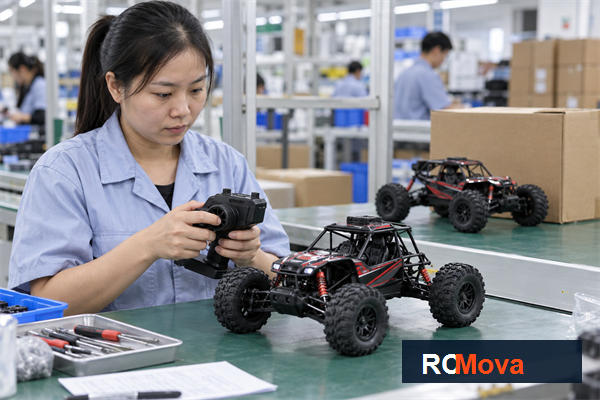
Article hero image — After the opening section
Image title: AQL Inspection Plans for RC Toy Shipments — RC toy sourcing overview
Caption: Function checks and inspection records help keep an approved configuration consistent before packing. Article focus: rc toy aql inspection.
ALT text: Asian quality inspector testing an RC vehicle at a Shenzhen factory inspection bench; rc toy aql inspection buyer guide
Image size: 600 × 400 px
AI photography prompt: Documentary commercial photography for AQL Inspection Plans for RC Toy Shipments, realistic RC toy products and Shenzhen factory setting, Asian staff if people appear, natural light, authentic details, no invented certificates, no text overlays, 3:2 landscape
In-article supporting image — Before the FAQ section
Image title: AQL Inspection Plans for RC Toy Shipments — RC toy quality and shipment check
Caption: Production review for rc toy aql inspection before the export handoff.
ALT text: Asian quality team reviewing rc toy aql inspection with a remote control toy at the factory
Image size: 600 × 400 px
AI photography prompt: Realistic editorial photography showing a buyer checking rc toy aql inspection against an RC toy sample and shipment records, Asian staff if people appear, natural industrial lighting, no text or fabricated logos, 3:2 landscape
Frequently Asked Questions
What should buyers check first about define the inspection lot?
State SKU, production period, quantity and whether colors or configurations form separate lots. Combining unlike models can hide a defect concentrated in one variant.
How should buyers verify include functional checks?
Specify startup, pairing, forward/reverse, steering and included accessories for sampled units. Visual inspection alone will not find radio or drive issues in a finished RC toy.
What should be confirmed before shipment?
Use process checks and suitable testing alongside final sampling. Acceptance sampling estimates lot quality within a defined method; it cannot replace product-specific safety testing.
Conclusion: turn the decision into a working plan
Agree the sampling standard, lot structure, defect list and decision rule before cartons are sealed. When the selected product, sample, documentation, inspection points and shipment handoff are visible, the buying team can move with greater confidence and fewer avoidable changes.
Send Your Requirements